Maritime Chokepoints: Why Route Flexibility Matters More Than Ever
Recent developments across the Red Sea and Strait of Hormuz have highlighted the growing importance of maritime chokepoints in global trade.

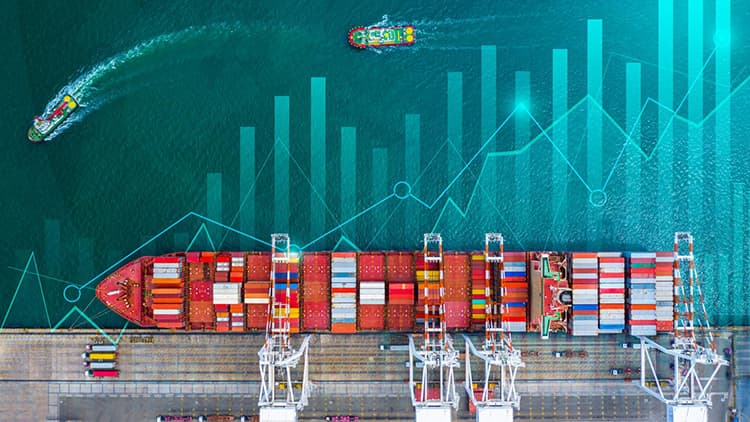
Recent developments across the Red Sea and Strait of Hormuz have highlighted the growing importance of maritime chokepoints in global trade. These strategic waterways connect major manufacturing, energy and consumer markets, making them critical links within international supply chains.
When disruptions occur, operators often adjust sailing routes, revise schedules and rebalance vessel deployments to maintain cargo movement. While these measures support continuity, they may also influence transit times, equipment availability and port operations.
For businesses relying on international trade, route flexibility has become an important element of supply chain planning. Diversified logistics strategies, contingency planning and close communication with logistics partners help organisations respond more effectively to changing operating conditions.
The ability to adapt is increasingly becoming a defining characteristic of resilient global supply chains.
VASCO Maritime Team
Editorial Team
VASCO Maritime Team is a valued contributor to VASCO Maritime's insights, sharing expertise on global trade, maritime logistics, and supply chain management.
Sign up to The Logistics Pulse newsletter
Stay ahead of the curve with our weekly digest of maritime trends, global trade shifts, and Vasco's latest strategic updates.
By signing up, you agree to our privacy policy and terms of service.